Display advertising is a type of online marketing that involves visually appealing ads placed on websites, social media platforms, or mobile apps. These ads are usually banners, images, or videos designed to grab users’ attention and send them to the advertiser’s website or landing page. It is an important component of digital marketing strategies aimed at increasing brand awareness, increasing traffic, and generating leads or sales.
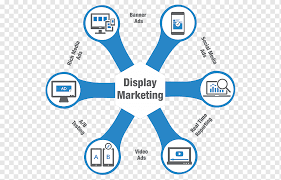
#.Key Components of Display Advertising:
1. Ad formats
Display ads come in different formats that serve different marketing goals. Some common forms include:
b. Banner ads: Rectangular or square ads that are placed in prominent areas of a website, such as the header, footer, or sidebar. They often feature static images or moving images.
c. Rich media ads: Interactive ads that go beyond simple banners by adding elements like video, audio, and clickable features (eg, expandable ads).
d. Video Ads: Short, engaging video content that can play automatically or on click. Video ads are popular on social media platforms and YouTube.
e. Pop-up and pop-under ads: Ads that open in new windows or tabs. Pop-ups appear over the content being viewed, while pop-unders appear behind the main browser window.
f. Interstitial Ads: Full-screen ads that appear at transitional points, such as between page loads or before accessing content on an app.
2.Targeting options
A major advantage of display advertising is the ability to target specific audiences. Some common methods of targeting include:
a. Demographic targeting: Ads are served based on users’ demographic information, such as age, gender, income, or education level.
b. Geo-Targeting: Advertisers can target users based on their location, whether it’s a specific country, region, city, or even a neighborhood. This is especially useful for local businesses.
c. Behavioral targeting: Ads are displayed based on users’ online behavior, such as their browsing history, search queries, and purchasing patterns. This ensures that the ad reaches an audience that is already interested in similar products or services.
d. Contextual Targeting: Ads are placed on websites in which the product or service is being advertised. For example, a sports brand might place display ads on a fitness blog.
e. Retargeting (Remarketing): Retargeting involves showing ads to users who have previously visited a website or interacted with a brand’s content. These ads remind potential customers of the products they’ve shown interest in and encourage them to complete the purchase.
3.Ad placement
Display ads can appear on a wide range of websites and platforms, and their placement plays an important role in their effectiveness. Common ad spaces include:
a. Publisher Websites: Display ads are placed on high-traffic sites that align with the brand’s target audience. For example, a tech company might advertise on popular tech blogs or news sites.
b. Ad networks: Advertisers can use ad networks such as the Google Display Network (GDN) or the Facebook Audience Network, which allow for wider distribution of display ads across multiple sites and apps.
c. Programmatic advertising: This involves the automated buying and placement of display ads in real-time auctions, often through demand-side platforms (DSPs). Programmatic advertising ensures that ads are shown to the right audience at the right time, maximizing ROI.
Leave a Reply