Myelin sheath
Myelin is a substance that forms the myelin sheath associated with nerve cells. This sheath is a layer of phospholipids that increases the conductivity of electrical messages sent by the cell. Diseases such as multiple sclerosis result from the loss of this myelin sheath, the effect of which is that the conduction of signals is very slow, severely reducing the effectiveness of the nervous system in patients.
In total, there are 43 major nerves that branch from the central nervous system (CNS) into the peripheral nervous system. (The peripheral nervous system is the nervous system outside the central nervous system.) These are the afferent neurons that carry signals from the CNS to the peripheral system.
Somatic Nervous System
These afferent fibers are divided into the somatic nervous system and the autonomic nervous system. Somatic fibers are responsible for voluntary movement of our body, that is, movement that you consciously think about doing.
Autonomic Nervous System
The autonomic nervous system includes all movements that are involuntary, and are usually associated with essential functions such as breathing, heartbeat, etc. However, this type of system can be further broken down into sympathetic and parasympathetic systems that feed into each other. Check in the form of negative feedback such as insulin and glucagon release in blood sugar control.
All actions performed by the autonomic nervous system are performed unconsciously.
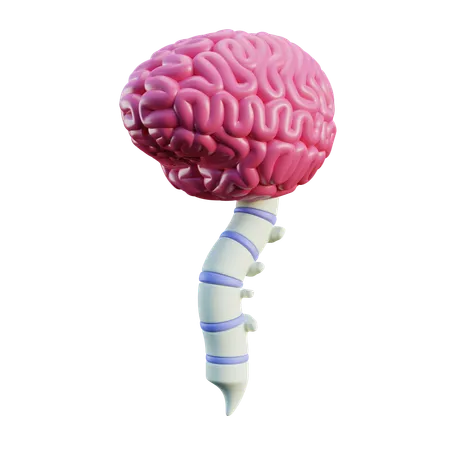
These informational pulses sent to our nervous system allow us to carry out our daily tasks. This information is processed in the CNS, the brain, which is a highly developed mass of nerve cells. The inner workings of the brain are investigated in the next tutorial, Types and Causes of Brain Damage.
Leave a Reply